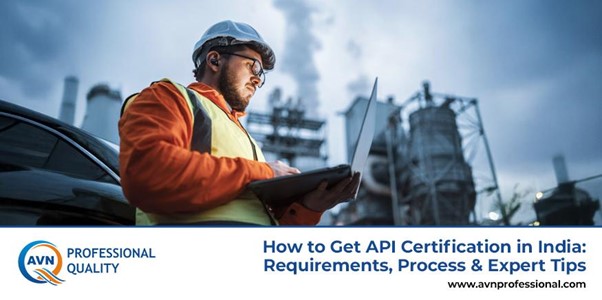
The American Petroleum Institute (API) certification is one of the most respected quality benchmarks in the oil, gas, petrochemical, and manufacturing sectors. For Indian companies aiming to strengthen operational integrity, improve reliability, and ensure global compliance, obtaining API certification is a significant competitive advantage.
Whether you are a growing manufacturer, a service provider, or a well-established engineering firm, achieving API certification in India demonstrates your commitment to world-class practices.
In recent years, India has seen an increased demand for certified processes, especially in equipment manufacturing, field services, inspections, drilling operations, fabrication, and maintenance activities.
As industries expand, organizations increasingly seek API certification consultants and structured training programs to navigate the complexities of compliance. This guide explores expert insights to help your company confidently begin its API certification journey.
What Is API Certification and Why Is It Important?
API certification validates that a company’s systems, processes, and products meet stringent international standards. These standards are designed to improve safety, efficiency, and reliability across energy and manufacturing sectors. Companies with API certification in India are often preferred by global brands, EPC contractors, and government agencies.
API certification benefits include:
- Enhanced credibility in global markets
- Increased client trust due to proven compliance
- Standardized processes for better operational control
- Better product performance and reduced non-conformities
- Stronger brand reputation and competitive positioning
Whether a company seeks management system certification, product monogram licensing, or personnel training, aligning with API standards opens a pathway toward sustainable growth.
Types of API Certifications You Can Pursue in India
API offers multiple certifications depending on operational needs. Companies generally pursue one or more of the following categories:
1. API Management System Certifications
These include standards such as:
- API Q1 – for organizations involved in the design and manufacture of equipment
- API Q2 – for service providers operating in exploration, drilling, production, and maintenance
Many businesses seek API certification in India as a gateway to elevate their internal systems and qualify for high-value contracts.
2. API Monogram Licenses
Applicable to companies producing equipment such as valves, pumps, drilling tools, pressure vessels, and pipeline accessories. The monogram allows manufacturers to mark products with the official API symbol.
3. Personnel and Auditor Training
API provides specialized training including API Q2 lead auditor training, auditor development programs, and industry-specific technical courses.
4. Product-Specific Certifications
These are applicable for companies manufacturing equipment for upstream, midstream, or downstream operations.
A professional API consultancy can help businesses identify the right certificate based on their industry, scope of work, and long-term compliance goals.
Eligibility Requirements for API Certification

Before applying, companies must ensure they meet the basic criteria. Although requirements vary depending on the standard, the general expectations include:
1. A Documented Quality Management System (QMS)
The QMS must align with the requirements of the specific API standard being pursued. This involves:
- Documented procedures
- Control of processes
- Risk-based planning
- Non-conformance handling
- Continual improvement mechanisms
2. Demonstrable Operational Records
Organizations must maintain evidence such as:
- Production records
- Inspection and testing documents
- Internal audit reports
- Corrective action logs
API commonly requires at least 4 – 6 months of evidence.
3. Adequate Infrastructure and Competent Personnel
Your facility, equipment, and workforce must meet technical requirements. Trained auditors and inspectors are essential.
4. Compliance with Regulatory Guidelines
Local and international regulations applicable to safety, environment, and product performance must be followed.
5. Internal Audit and Management Review
Before inviting API auditors, your internal structure must be stable and fully functional.
Companies often rely on API certification consultants to help them complete documentation, establish controls, and ensure full readiness before the API conducts its audits.
Step-by-Step Process to Obtain API Certification in India
Achieving certification is a structured process that requires systematic planning and consistent implementation. The following steps outline the typical journey:
1. Selecting the Right API Standard
The first step is determining which certification aligns with your business model. API Q1 is suitable for manufacturers, while API Q2 consultancy services is ideal for service providers. Companies producing specialized industrial equipment may require monogram licenses.
Professionals delivering API Q2 consultancy services often help organizations understand standard applicability, scope definition, and compliance expectations.
2. Conducting a Gap Assessment
A detailed gap analysis helps identify discrepancies between current operational practices and API requirements. This assessment covers:
- Organizational processes
- Documentation systems
- Competency gaps
- Production and service controls
- Risk-management procedures
3. Establishment of the Quality Management System (QMS)
This phase focuses on creating and structuring all required elements of the QMS based on the gaps identified. It includes:
- Drafting standard-aligned procedures
- Creating templates, formats, and work instructions
- Establishing product and service control processes
- Developing risk-assessment and risk-management frameworks
4. Implementation of the Quality Management System (QMS)
Once the QMS is established, the next step is to deploy it across the organization to ensure effective use and compliance. This includes:
- Training staff on new workflows and operational procedures
- Communicating QMS requirements across relevant departments
- Ensuring processes are followed and records are maintained
- Monitoring early adoption and supporting teams in applying the system
This stage requires precision, as API auditors will thoroughly review the system
5. Training and Competency Building
API expects companies to demonstrate employee awareness and competence. Training programs may include:
- QMS implementation workshops
- Internal auditor development
- Technical skills improvement
- Specialized sessions such as API Q2 lead auditor training
Continuous training ensures your team can maintain long-term compliance.
6. Internal Audits and Management Review
These internal activities ensure the system is functioning as intended. Internal audits must be:
- Objective
- Well-documented
- Conducted by trained personnel
Management review meetings evaluate overall system performance and improvement actions.
7. Submitting the Application to API
Once the QMS is stable, the organization submits its application along with facility details, product scope (if applying for monograms), and required documentation.
API evaluates the application and schedules an audit.
8. API Audit and Evaluation
API auditors assess implementation accuracy and compliance. The audit includes:
- QMS documentation review
- Process observation
- Verification of competency records
- Facility inspection
- Product or service control review
Any non-conformities must be addressed promptly.
9. Closure of Non-Conformities
Organizations must submit corrective actions along with supporting evidence. Timely closure is essential to progress toward certification.
10. Certification Issuance
Once API approves the corrective actions and confirms compliance, certification is awarded. The company is then listed in the API Composite List, enhancing market credibility.
Maintaining and Renewing Your API Certification
API certification is not a one-time achievement. Companies must consistently maintain compliance to ensure long-term validity. This includes:
- Conducting regular internal audits
- Monitoring KPI performance
- Ensuring continuous training
- Maintaining updated documentation
- Preparing for periodic API surveillance audits
Sustainable implementation guarantees that your organization stays compliant and audit-ready throughout the certification cycle.
Common Challenges Companies Face During API Certification
Although highly rewarding, the certification process can be demanding. Indian companies frequently encounter:
1. Documentation Gaps
Failure to maintain consistent and accurate documentation is one of the biggest obstacles. API auditors expect precision and completeness.
2. Limited Awareness of API Standards
Understanding technical clauses and compliance requirements often requires expert guidance.
3. Inadequate Personnel Training
A system is only as good as the team managing it. Without updated training, the risk of non-conformities increases.
4. Process Inconsistencies
Organizations may struggle with aligning existing operations to standardized procedures.
5. Resource Limitations
Many companies underestimate the time, cost, and effort required for certification.
Engaging a qualified API consultancy or leveraging API certification courses in India can help overcome these challenges effectively.
Expert Tips for Successfully Achieving API Certification
Drawing from industry best practices, here are proven strategies to improve your certification success:
1. Begin with a Clear Strategy
Define your objectives, scope, timeline, and internal team before beginning the certification process.
2. Prioritize Training
Use structured training programs to strengthen employee competence and audit readiness.
3. Standardize Every Process
Strong documentation, consistent implementation, and controlled workflows significantly reduce errors.
4. Monitor KPIs Regularly
Performance indicators can help identify weak areas early and prevent non-conformities.
5. Conduct Mock Audits
Simulated audits ensure preparedness and uncover issues before the actual API inspection.
6. Invest in Continuous Improvement
API standards emphasize proactivity. Regularly update processes, refine controls, and review risks.
7. Seek Expert Support When Needed
Experienced API certification consultants streamline the entire process, reducing risk and ensuring efficient implementation.
How Professional API Consultancy Services Help
Working with experienced consultants offers multiple benefits when pursuing API certification in India. Experts provide:
- End-to-end documentation support
- Gap analysis and readiness assessments
- Assistance during implementation
- Training programs for different API standards
- Guidance for product monogram applications
- Audit preparation and corrective action support
With professional assistance, companies can achieve certification faster and with greater confidence.
Start Your API Certification Journey Today
Obtaining API certification in India is a transformative step for companies aiming to elevate operational reliability and gain global recognition. With the right preparation, systematic implementation, and expert support, businesses can confidently navigate the certification journey.
Whether you’re planning to pursue API Q1, API Q2, or product-specific monogram licensing, understanding the requirements and following a structured process will help you achieve successful certification.
If your organization is ready to enhance its quality management systems, strengthen workforce competencies, and position itself for international opportunities, now is the ideal time to begin your API certification journey.
Let AVN’s industry experts equip you with the right tools, training, and consultancy support to ensure your API certification journey is smooth and fully compliant with global standards. Contact us today and take the next step toward uncompromised quality and compliance.
