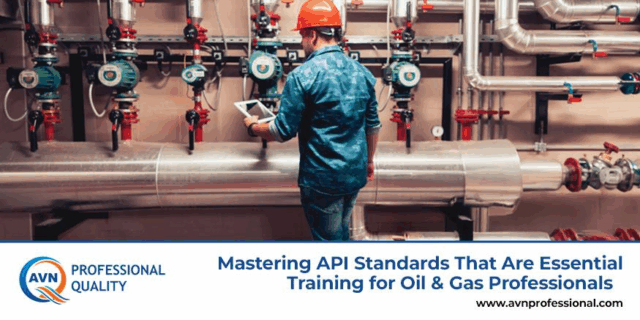
The oil and gas industry is complex and a high risk sector everywhere. Every process, from exploration to production and distribution, requires meticulous attention to quality and safety. Even a small lapse can lead to significant operational setbacks, environmental hazards, or safety incidents. This is where API standards play a critical role. Developed by the American Petroleum Institute, these standards provide a framework for maintaining consistency, reliability, and safety across the entire oil and gas value chain.
Quality and safety are inseparable in this industry. Equipment, pipelines, and operational procedures must meet rigorous specifications to prevent failures. API standards help organizations achieve this by setting clear requirements for materials, manufacturing, testing, and inspection processes.
Beyond safety, API standards significantly enhance operational efficiency. By providing clear guidelines, they reduce the risk of errors, minimize downtime, and optimize resource management. Engineers and managers can rely on these standards to streamline processes, improve project timelines, and maintain consistent product quality. This structured approach also supports regulatory compliance, which is crucial in regions with strict environmental and safety laws.
An essential part of implementing these standards is establishing a robust oil and gas quality management system integrated with an API quality management system. Such a system ensures that every aspect of operations, from equipment procurement to maintenance, adheres to API standards. It enables continuous monitoring, regular audits, and corrective measures, helping organizations not only meet compliance requirements but also drive operational excellence.
API standards are not just technical guidelines, they are a strategic tool for sustaining high performance in a challenging industry. Companies that invest in understanding and applying these standards strengthen their credibility, reduce operational risks, and create a culture of safety and quality that benefits employees, stakeholders, and the environment alike
Understanding API Standards: A Professional Overview
API standards, developed by the American Petroleum Institute, are comprehensive guidelines that define best practices for the oil and gas industry. They cover everything from equipment design and materials to operational procedures, inspection methods, and safety protocols. These standards provide a consistent framework for companies to maintain quality, efficiency, and safety across all operations.
Role of API in Compliance and Safety
API standards are essential for ensuring that oil and gas operations meet both regulatory requirements and industry best practices. Their role includes:
- Enhancing safety: Reducing the risk of accidents, equipment failures, and environmental hazards
- Ensuring compliance: Aligning company operations with international and local regulations
- Standardizing processes:Providing clear benchmarks for operational procedures and quality control
Impact on Daily Operations and Project Success
Integrating API standards into daily operations can transform how oil and gas companies manage projects:
- Streamlined workflows:Standard procedures reduce errors and improve efficiency
- Consistent quality:A strong oil and gas quality management system ensures processes meet global standards
- Better decision-making:Data-driven benchmarks support operational planning and resource allocation
- Expert guidance:Partnering with an API consultancy can help companies implement standards effectively and optimize results
By understanding and applying API standards, professionals not only safeguard their operations but also enhance project outcomes. These standards are not just regulatory requirements, they are tools for driving operational excellence, reducing risks, and building a culture of quality and reliability in the oil and gas sector.
API Training and Certification: Building Expertise
In the oil and gas industry, technical knowledge alone is not enough to ensure safe and efficient operations. Professionals who undergo formal API training and certification gain specialized expertise that helps them meet industry standards and regulatory requirements. This training equips individuals with the skills to handle complex equipment, manage quality systems, and implement best practices in line with the American Petroleum Institute guidelines.
Benefits of Formal API Training and Certification
Undergoing structured API training offers numerous advantages for professionals like –
- Enhanced technical knowledge:In-depth understanding of API standards, processes, and safety requirements
- Operational efficiency:Ability to implement best practices that minimize errors and downtime
- Improved safety awareness:Knowledge of procedures that protect personnel and equipment
- Professional credibility:Recognition as a competent and qualified specialist in the oil and gas sector
Difference Between API Certified and Non-Certified Professionals
The distinction between API certified and non-certified professionals goes beyond titles:
- API certified:Demonstrates validated expertise, ability to implement quality systems, and compliance with safety standards
- Non-certified:May have experience but lacks formal recognition, making it harder to prove knowledge or meet certain regulatory or client requirements
Investing in API training and certification is more than just professional development; it’s a strategic step to enhance performance, ensure safety, and strengthen career prospects. Professionals equipped with this training can confidently manage projects, contribute to an oil and gas quality management system, and drive operational excellence in their organizations.
Implementing an Oil & Gas Quality Management System
A robust oil and gas quality management system (QMS) is essential for maintaining operational excellence and ensuring compliance with API standards. It provides a structured approach to monitor, evaluate, and improve processes, helping organizations consistently deliver safe and high-quality outcomes.
Best Practices for a Robust Oil and Gas Quality Management System
- Documented processes:Clearly defined procedures for operations, inspections, and maintenance
- Regular audits:Periodic checks to ensure compliance with API standards and internal guidelines
- Employee training:Continuous education on quality standards and safety protocols
- Risk management:Proactive identification and mitigation of potential operational risks
- Continuous improvement:Leveraging performance data to refine processes and enhance efficiency
Steps to Align Internal Processes with API Standards
- Conduct a thorough gap analysis to compare current operations against API requirements
- Develop and implement standard operating procedures (SOPs) aligned with API guidelines
- Integrate monitoring and reporting tools to track quality performance
- Engage an API consultancy if expert guidance is needed for complex implementations
- Review and update the system periodically to maintain compliance and effectiveness
Case Examples of Successful API Implementation
- Companies that adopted a structured QMS often report fewer operational disruptions, improved safety records, and enhanced project timelines
- Successful implementation demonstrates measurable benefits in process efficiency, product quality, and regulatory compliance
- Integration with API standards ensures that every stage of production, from extraction to delivery, meets global benchmarks
By building a comprehensive oil and gas quality management system, organizations can standardize operations, minimize risks, and foster a culture of continuous improvement that aligns with international best practices.
Choosing the Right API Consultancy for Your Organization
Selecting the right API consultancy is a critical step for any oil and gas company aiming to implement API standards effectively. A skilled consultancy provides expert guidance, ensures compliance, and helps optimize processes across all operational levels.
Why Partner with an API Consultancy
- Expert knowledge:Consultants bring specialized understanding of API standards and industry best practices
- Customized solutions:Tailored strategies to align your operations with an oil and gas quality management system
- Regulatory compliance:Assistance in meeting local and international safety and quality requirements
- Training support:Facilitation of API training and certification programs for employees
Tips for Choosing the Right Consultancy
- Experience:Look for a consultancy with proven experience in oil and gas projects
- References and case studies:Assess previous successful API implementations
- Comprehensive services:Ensure they offer support from training to audits and system design
- Cost vs. value:Evaluate the ROI of consultancy services in terms of long-term operational efficiency and compliance
Key Benefits of the Right Partnership
- Streamlined implementation of API standards across all processes
- Reduced operational risks and improved safety measures
- Enhanced credibility with clients and stakeholders through API certification alignment
- Continuous improvement in quality management and operational performance
Maintaining Continuous Compliance and Quality
Implementing an oil and gas quality management system is just the first step,maintaining continuous compliance and quality is where long-term operational excellence is achieved. API standards provide the framework, but ongoing monitoring, evaluation, and improvement are essential to ensure consistent performance.
Best Practices for Continuous Compliance
- Regular audits:Conduct periodic internal and external audits to verify adherence to API standards
- Process monitoring:Track key performance indicators (KPIs) to identify deviations or inefficiencies
- Employee refresher training:Keep teams updated with the latest procedures and standards through ongoing API training and certification programs
- Documentation and reporting:Maintain detailed records of inspections, incidents, and corrective actions for accountability and transparency
Integrating API Standards into Daily Operations
- Embed compliance checks into routine workflows to prevent errors before they escalate
- Utilize data-driven decision-making to address potential quality gaps promptly
- Foster a culture of accountability where every team member understands their role in maintaining safety and quality
Benefits of Maintaining Continuous Compliance
- Reduced operational risks and fewer incidents
- Enhanced credibility with stakeholders through consistent API certification alignment
- Improved efficiency and cost savings due to streamlined processes
- Strengthened oil and gas quality management system, ensuring processes remain up-to-date with evolving standards
By focusing on continuous improvement, oil and gas companies can maximize the value of their API implementation. Sustained compliance not only safeguards operations but also demonstrates a commitment to excellence, safety, and reliability in the industry.
Transform your oil and gas operations with AVN Professional. From API training and certification to a fully integrated quality management system, we help organizations streamline processes, minimize risks, and maintain top-tier safety and compliance standards.
